What Home Appraisers Really Look At (And How to Prepare Before Selling)
Selling a home is about more than making it look attractive for buyers. Long before closing day, an appraiser will evaluate the property's condition, features, and recent comparable sales to determine its market value.
A recent Southern Living article broke down eight things home appraisers always notice. It's an excellent reminder that value is about much more than fresh paint and new countertops.
1. Overall Condition
An appraisal begins before the appraiser even walks through the front door.

They'll notice the condition of the exterior, landscaping, siding, roof, driveway, and other visible signs of how well the home has been maintained. Inside, they're looking beyond your decorating style and paying attention to deferred maintenance, aging materials, broken fixtures, and overall upkeep.
Small issues like peeling paint, loose handrails, leaking faucets, or damaged trim may seem insignificant on their own, but together they can suggest that larger maintenance items have also been overlooked.
2. Square Footage and Floor Plan
Size matters, but functionality matters too.
Appraisers verify your home's square footage and consider how the living space is laid out. A well-designed floor plan with functional living areas often carries more value than simply having extra square footage.
3. The Roof and Foundation
Major structural components play an important role in an appraisal.
An older roof nearing the end of its life or visible foundation concerns can influence value because they represent future expenses for the next owner.
This is another reason I often remind homeowners not to focus only on cosmetic upgrades. A beautiful kitchen won't completely offset major deferred maintenance if buyers or appraisers identify concerns with the home's structural systems.
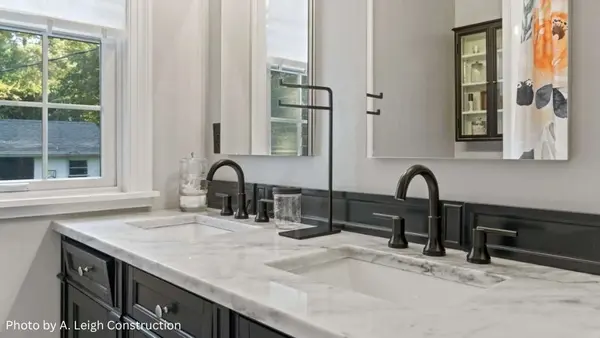
4. Kitchens and Bathrooms
Updated kitchens and bathrooms still matter.
While a luxury remodel doesn't always return every dollar invested, clean, functional, and reasonably updated spaces generally contribute positively to a home's overall appeal and market value.
5. Mechanical Systems
Appraisers also consider the condition and approximate age of major systems, including:
-
HVAC
-
Plumbing
-
Electrical
-
Water heater
Outdated or poorly maintained systems don't automatically lower an appraisal, but they can influence value when compared with similar homes that have newer systems.
6. Signs of Deferred Maintenance
This deserves its own section because it's one of the easiest things homeowners can address.
Items such as:
-
Chipped paint
-
Missing outlet covers
-
Cracked tiles
-
Leaking faucets
-
Broken windows
-
Loose railings
may seem minor, but together they tell a story about how the home has been maintained.
If you've watched my recent videos on deferred maintenance, this is exactly what I mean. Buyers, inspectors, and appraisers all notice these details, and while one small issue won't dramatically change value, a long list of them certainly can.
7. Upgrades and Improvements
Appraisers absolutely consider improvements you've made.
Finished basements, additions, outdoor living spaces, energy-efficient upgrades, and other improvements can all contribute to value. However, they also compare those improvements to similar homes in your neighborhood to determine how much additional value they actually add.
This is why not every renovation produces the same return on investment.
8. Location Matters More Than You Think
Finally, appraisers evaluate something you can't change: location.
School districts, neighborhood desirability, nearby amenities, lot characteristics, and recent comparable sales all play a significant role in determining value.
Here in the Greater Richmond area, neighborhoods continue to perform differently depending on inventory levels, buyer demand, and location. Homes in desirable areas of western Henrico, Chesterfield, Hanover, and Goochland have generally remained competitive, but pricing still needs to reflect the home's condition and the most recent comparable sales.
How to Prepare for an Appraisal
If you're getting ready to sell, don't panic about making your home look like a magazine.
Instead, focus on the things that actually matter:
-
Complete small maintenance repairs.
-
Replace burned-out light bulbs.
-
Make sure all major systems are functioning properly.
-
Provide a list of recent improvements, including approximate dates.
-
Make mechanical areas, attics, crawl spaces, and utility rooms easily accessible.
A clean home is always appreciated, but deferred maintenance and incomplete repairs tend to have a much bigger impact than whether the throw pillows match the curtains.
The Bottom Line
An appraisal isn't about personal taste. It's about measurable value.
The homes that typically perform best are the ones that have been consistently maintained over time, with major systems cared for and deferred maintenance kept to a minimum.
If you're thinking about selling and aren't sure where to spend your time or money before listing, I'd be happy to walk through your home with you. Together we can identify which improvements are likely worth making, which ones probably aren't, and how to position your home to make the best possible impression on both buyers and appraisers.
Every move starts with a conversation
 Let's talk! I’ve proudly served the Greater Richmond area as a full-time Realtor for more than 19 years, and I’ve called Virginia home for over 25.
My goal is simple: to help you reach yours.
Jason Burke
+1(804) 291-6676
jason@brgreal.com
Categories
Recent Posts