Types of Flooring Explained: Pros, Cons, and Where They Work Best
If you’ve ever walked through a home and thought, “I love these floors,” you’re not alone.
Flooring is one of the first things buyers notice, and it can have a major impact on how a home feels, functions, and even how it holds value over time. And when it comes time to replace flooring, many homeowners quickly realize there are a lot of options to sort through.
A recent article breaking down common flooring materials highlighted an important point: there is no single “best” flooring for every home or every room. The right choice depends on your lifestyle, budget, maintenance preferences, and how the space is used.
After nearly 20 years in real estate, I’ve also seen firsthand how flooring choices affect resale value and buyer perception. Here’s a practical breakdown of some of the most common options.
Hardwood Flooring
Best for: Living rooms, dining rooms, bedrooms
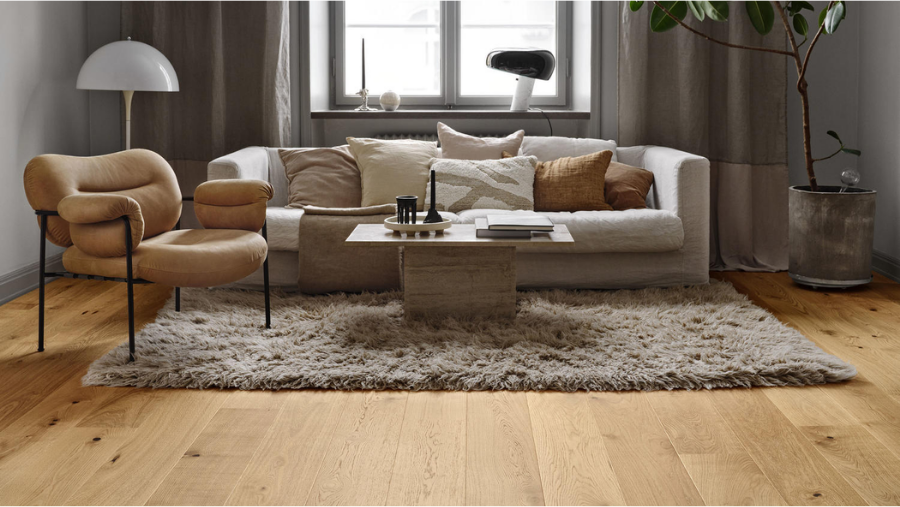
Hardwood remains one of the most desirable flooring options for many buyers. It’s timeless, durable, and can often be refinished multiple times over its lifespan. Many homeowners also appreciate that it tends to age well and can positively impact resale appeal.
Pros
✅ Timeless look
✅ Strong resale appeal
✅ Can often be refinished
Cons
❌ Higher upfront cost
❌ Scratches more easily with pets or heavy traffic
❌ Not ideal for moisture-prone spaces
My take: Buyers in the Richmond area still love hardwoods, especially in main living spaces. If you’re renovating for resale, hardwood or quality engineered wood tends to be a safe investment.
Engineered Hardwood
Best for: Main living spaces, homes with humidity fluctuations
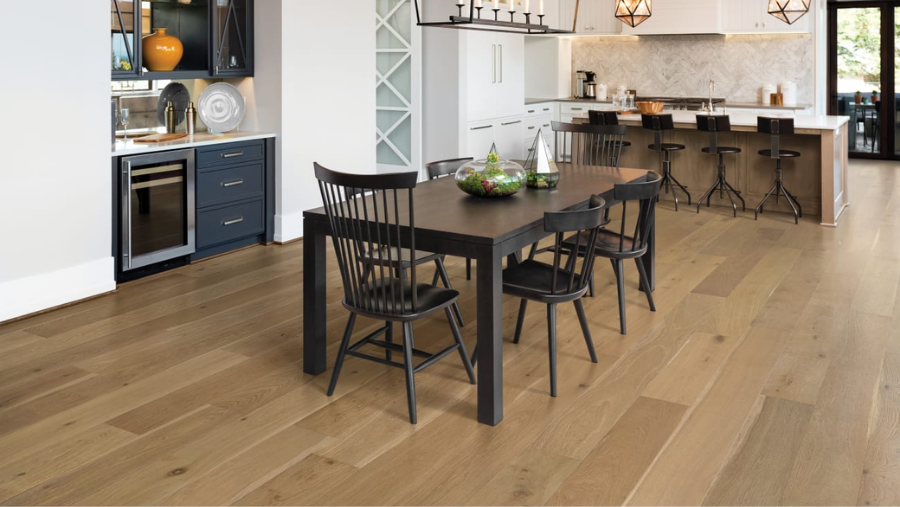
Engineered hardwood gives you the look of real wood but with better resistance to humidity and temperature changes because of its layered construction. It has become increasingly popular in newer homes and renovations.
Pros
✅ Real wood appearance
✅ More dimensionally stable than solid hardwood
✅ Often slightly lower cost
Cons
❌ Limited refinishing compared to traditional hardwood
❌ Quality varies significantly
My take: A great middle-ground option, especially in Richmond where humidity can fluctuate throughout the year.
Luxury Vinyl Plank (LVP)
Best for: Kitchens, basements, bathrooms, high-traffic homes
LVP has exploded in popularity over the past several years, and for good reason.
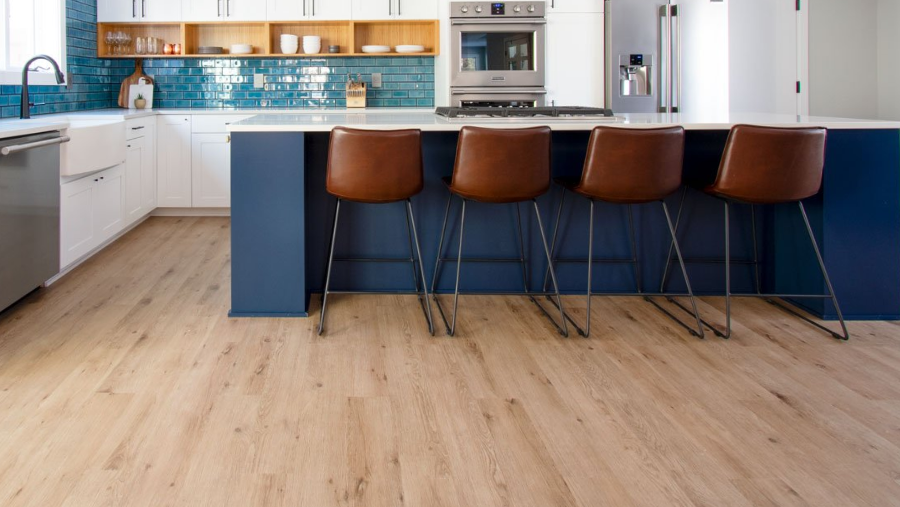
It offers the look of wood while being highly water resistant, durable, and generally easier on the budget than hardwood. Many homeowners with kids, pets, or busy households gravitate toward it for practicality.
Pros
✅ Water resistant or waterproof
✅ Durable for families and pets
✅ Wide variety of styles
Cons
❌ Lower-end products can feel cheap or wear quickly
❌ May not carry the same resale appeal as hardwood
My take: I see LVP in a lot of Richmond renovations and flips. Quality matters here. A well-installed, higher-quality product can look great, while cheap versions are often easy for buyers to spot.
Laminate Flooring
Best for: Bedrooms, offices, moderate-traffic areas
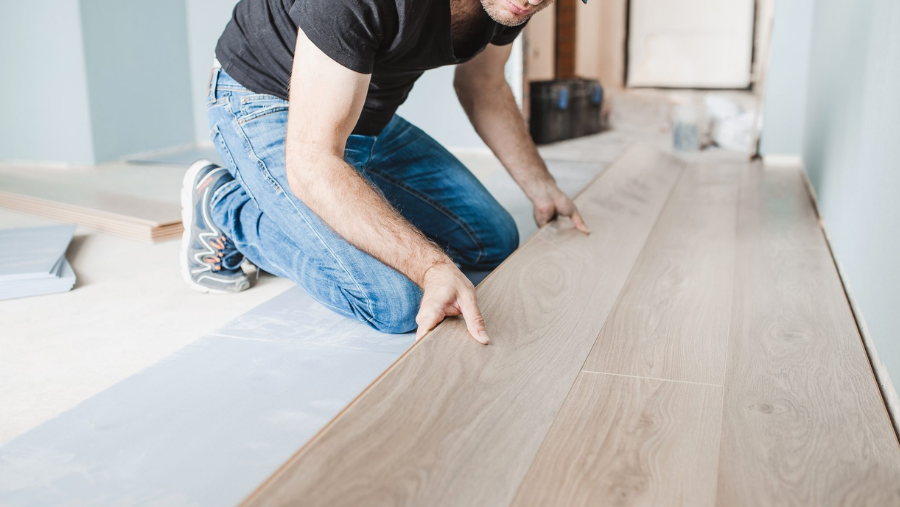
Laminate has improved dramatically over the years and can mimic hardwood surprisingly well at a lower price point. It’s also fairly scratch resistant, which appeals to many homeowners.
Pros
✅ Budget-friendly
✅ Scratch resistant
✅ Easy maintenance
Cons
❌ Less moisture resistant than LVP
❌ Cannot usually be refinished
My take: Good option for homeowners on a budget, but I’d be cautious in moisture-prone areas.
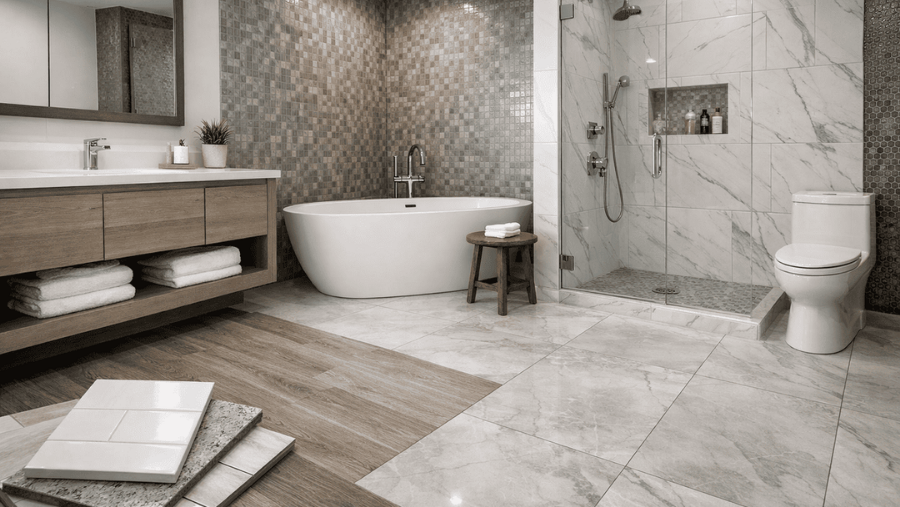
Tile Flooring
Best for: Bathrooms, kitchens, mudrooms
Tile remains one of the most durable flooring choices available and performs especially well in wet areas. Ceramic and porcelain tile are popular because they resist water and wear exceptionally well.
Pros
✅ Extremely durable
✅ Water resistant
✅ Great for high-moisture rooms
Cons
❌ Can feel cold or hard underfoot
❌ Grout maintenance
My take: Tile still performs extremely well in kitchens and bathrooms, particularly in homes where durability matters.
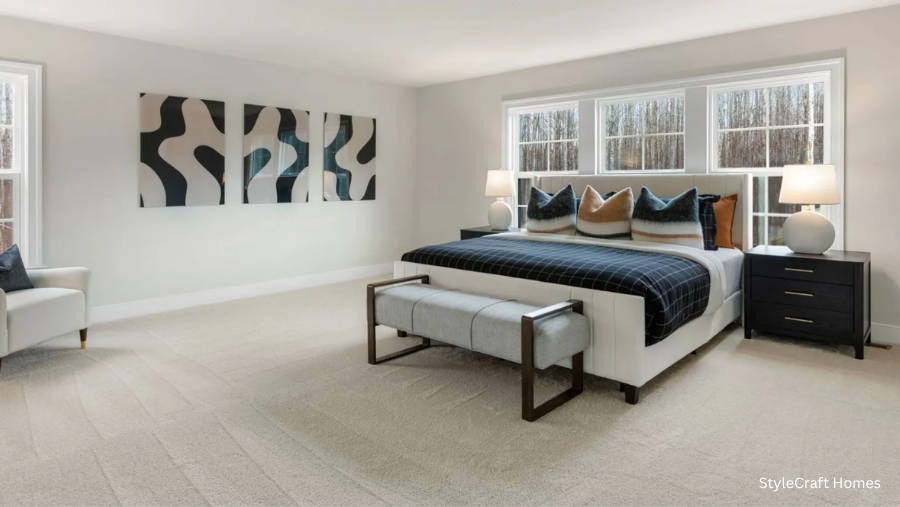
Carpet
Best for: Bedrooms, bonus rooms
Carpet still has its place, especially in bedrooms where comfort and warmth matter. But it has become less common in many main living areas as buyer preferences continue shifting toward hard surfaces.
Pros
✅ Comfortable and warm
✅ Helps reduce noise
✅ Lower upfront cost
Cons
❌ Stains and wears faster
❌ Can trap allergens
❌ Less popular in main living areas
My take: Bedrooms? Sure. Wall-to-wall carpet throughout the entire house? That’s becoming less common with today’s buyers.
So… What Flooring Is Best?
It depends on your goals.
Ask yourself:
-
Are you staying long term or selling soon?
-
Do you have pets or kids?
-
Is moisture a concern?
-
Are you renovating for resale value or personal preference?
Sometimes the “best” flooring isn’t the most expensive option. It’s the one that makes sense for how you actually live.
How Flooring Impacts Resale Value
This is something I talk about with sellers often.
Flooring has a huge impact on first impressions, buyer perception, and overall home appeal.
Outdated, damaged, or mismatched flooring can make a home feel dated quickly. On the other hand, well-chosen flooring can make a house feel clean, updated, and move-in ready.
The key is making smart choices for your home and your budget.
How I Can Help
If you’re considering replacing flooring before selling, I’m happy to help you think through what makes sense.
Sometimes spending money on new flooring adds value. Sometimes it doesn’t.
I can help you decide:
-
What buyers in the Richmond area are responding to
-
Which upgrades are worth the investment
-
What will give you the best return for your situation
Every home is different, and the right answer depends on your goals.
Every move starts with a conversation
 Let's talk! I’ve proudly served the Greater Richmond area as a full-time Realtor for more than 19 years, and I’ve called Virginia home for over 25.
My goal is simple: to help you reach yours.
Jason Burke
+1(804) 291-6676
jason@brgreal.com
Categories
Recent Posts