A reverse mortgage is a type of home loan designed for older homeowners (typically age 62 and up) that lets you convert part of your home’s equity into cash, without having to sell your house or make monthly mortgage payments.
Key Features
- You receive payments instead of making them.
With a reverse mortgage, instead of you paying a lender each month (like with a traditional mortgage), the lender pays you. You can choose to receive this money as a lump sum, in monthly installments, as a line of credit, or a combination of these.
- You still own your home.
The title stays in your name; you keep ownership of the property. But the loan balance grows over time because interest and fees are added monthly.
- You must keep living in and maintaining the home.
Borrowers must continue to live in the home as their primary residence, pay property taxes, keep homeowners insurance current, and maintain the property. If you fail to do these, the loan could become due and payable.
- When the loan is repaid.
A reverse mortgage becomes due and payable when you move out permanently, sell the house, or pass away. At that point, the home is typically sold and the proceeds go toward repaying the loan, interest, and fees. Heirs can choose to pay off the loan and keep the home if they wish.
- It’s not “free money.”
Although you don’t make monthly payments, interest and fees add up over time and reduce the equity in your home. For some people, this trade-off makes sense; for others, there may be better options.
- Protections for borrowers and heirs.
With federally insured Home Equity Conversion Mortgages (HECMs), you or your heirs will never owe more than the value of the home when the loan is repaid, even if the loan balance is higher than the home’s market value.
How to Get a Reverse Mortgage
The application process is similar to applying for a traditional mortgage. You can work with a lender or mortgage broker of your choice, and it’s wise to compare rates, fees, and terms from multiple lenders before making a decision.
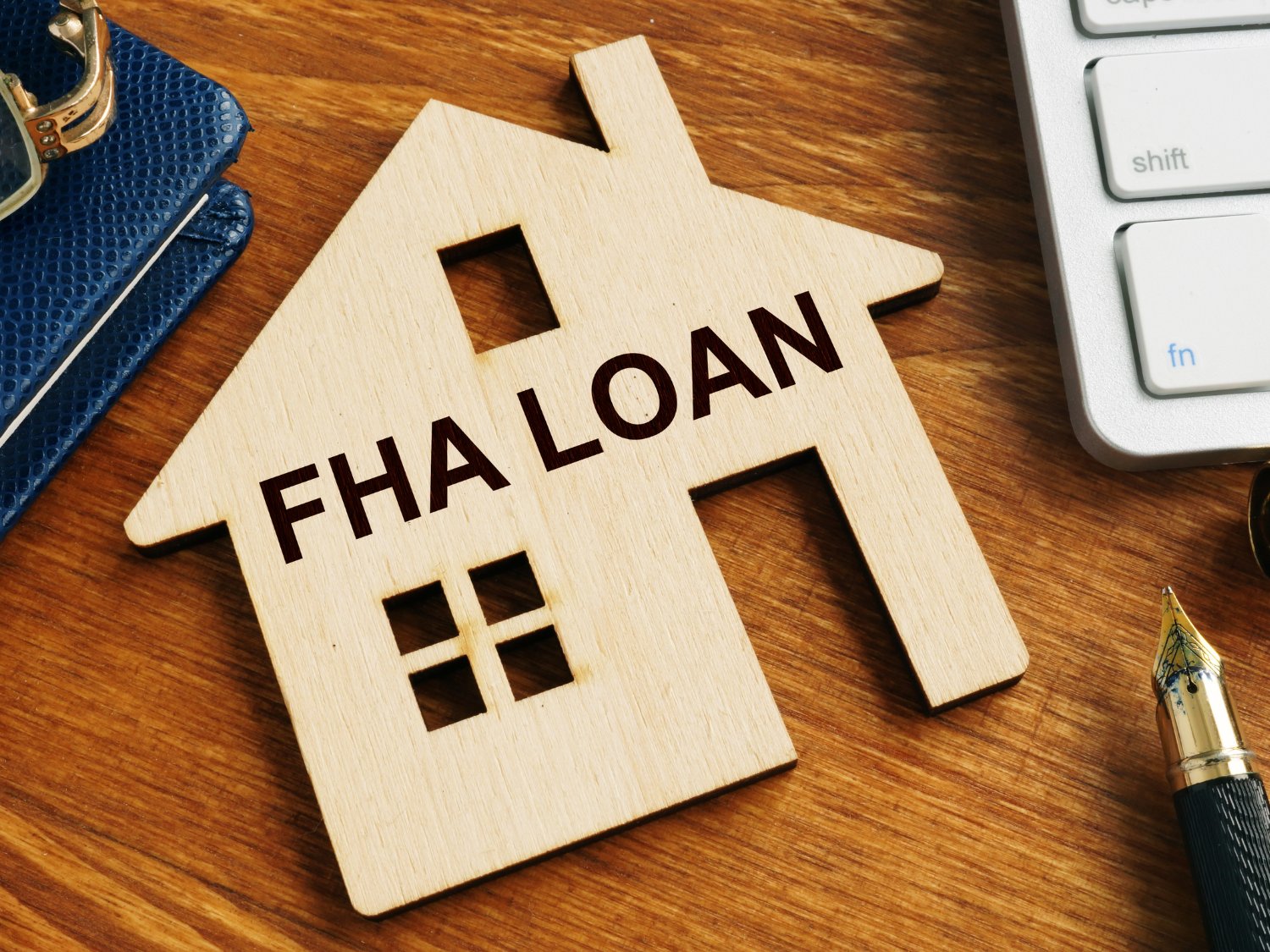
If you’re applying for a Home Equity Conversion Mortgage (HECM) — the most common type of reverse mortgage — you must work with a lender approved by the Federal Housing Administration (FHA).
An often required step in the process is completing independent counseling. This session is designed to ensure you fully understand the costs, responsibilities, repayment terms, and payment options associated with a reverse mortgage. The counselor will also review what happens to the loan if you move out of the home or when the property passes to your heirs.
This educational step helps borrowers make informed, confident decisions before moving forward.
Is a Reverse Mortgage Right for You?
For some homeowners, a reverse mortgage can provide flexibility and additional cash flow in retirement. For others, alternative strategies may be a better fit. Because this is a significant financial decision, it’s important to look at the full picture, including your long-term goals, estate planning considerations, and overall financial plan.
I’m Here to Help
If you or a family member have questions about reverse mortgages, I’m happy to be a resource. I can help you think through whether this option aligns with your goals, explain how it may impact the sale of your home in the future, and connect you with trusted, reputable lenders who specialize in reverse mortgage products.
If you’d like to explore your options or simply have a conversation about what makes sense for your situation, feel free to reach out. I’m here to help you make informed decisions with confidence.
Every move starts with a conversation
 Let's talk! I’ve proudly served the Greater Richmond area as a full-time Realtor for more than 19 years, and I’ve called Virginia home for over 25.
My goal is simple: to help you reach yours.
Jason Burke
+1(804) 291-6676
jason@brgreal.com