Own an Older Home? 5 Maintenance Priorities Richmond Homeowners Shouldn't Overlook
Owning an older home often means getting familiar with systems and components that have been in place for decades. From plumbing and electrical wiring to heating and cooling equipment, knowing the age and condition of these essentials can help you plan ahead, avoid unexpected repairs, and protect your investment.
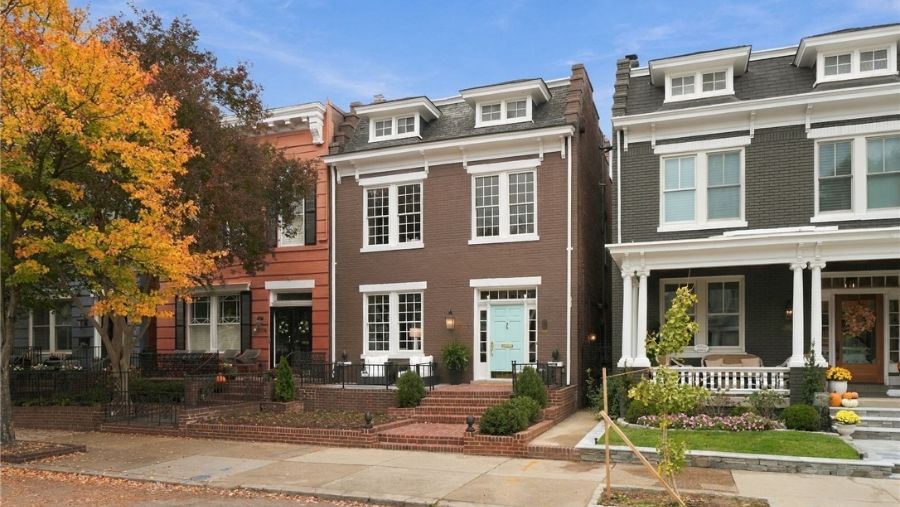
Here in the Richmond area, many established neighborhoods are filled with homes that have plenty of history. Whether you've recently purchased one or have called an older house home for years, a little attention to routine maintenance can go a long way.
Here are five areas worth keeping on your radar.
1. Pay Attention to Your Plumbing Before a Leak Appears
Water damage can become expensive in a hurry, especially when a leak goes unnoticed.
Older homes may have plumbing materials that are more susceptible to corrosion, deterioration, or failure. Galvanized steel pipes, for example, can corrode internally over time. Some homes built during the late 1970s through the mid-1990s may also have polybutylene piping, which has a history of premature failures.
That doesn't mean every home with older plumbing needs immediate replacement. But it does mean you should know what type of piping you have and have a qualified plumber evaluate its condition if you're unsure.
A few things worth doing:
-
Locate your main water shutoff valve and make sure everyone in the household knows how to use it.
-
Check under sinks, around toilets, near the water heater, and in other accessible areas for signs of moisture.
-
Pay attention to unexplained increases in your water bill.
-
Insulate exposed pipes in crawl spaces, garages, and other areas that may be vulnerable to freezing.
-
Consider a leak detection system or automatic water shutoff valve, particularly if you travel frequently or have a history of plumbing issues.
A little prevention can make a big difference when it comes to avoiding damaged floors, ceilings, cabinets, and personal belongings.
2. Don't Assume Your Electrical System Is Up to Date
Older homes weren't necessarily designed for the number of appliances, electronics, and electrical demands we place on them today.
Depending on the home's age and previous renovations, you may encounter outdated wiring, older electrical panels, improperly grounded outlets, or circuits that have been modified over the years.
One particular concern in some homes built during the mid-1960s through the early 1970s is aluminum branch-circuit wiring. It isn't automatically unsafe, but its connections require appropriate evaluation and maintenance.
There are a few simple things homeowners can do:
-
Test GFCI outlets using their built-in test buttons according to the manufacturer's instructions.
-
Pay attention to frequently tripped breakers, flickering lights, buzzing sounds, or outlets and switches that feel unusually warm.
-
Make sure your electrical panel is clearly labeled.
-
Have a licensed electrician evaluate older wiring, questionable outlets, and electrical panels that haven't been inspected in years.
If you notice burning odors, visible damage, sparks, or unusually hot outlets, don't ignore them. Have the situation evaluated promptly by a qualified electrician.
Electrical work is not an area where I'd recommend experimenting with a DIY fix. Knowing when to call a professional is just as important as recognizing a potential problem.
3. Know What's in Your Water
If your home is connected to public water, you can generally find water quality information through your local utility. But if you have a private well, the responsibility for testing your water falls on you.
And even in homes connected to public water, older plumbing can affect what comes out of the tap.
Before purchasing a filtration system or water softener, consider having your water tested. The results can help determine whether treatment is necessary and what type of system would actually address the issue.
For well-water homeowners, regular testing is particularly important. Virginia's Department of Health provides guidance on private well testing and water quality.
The important thing is to test first and choose a solution based on the results, rather than spending money on a system you may not need.
4. Keep Up With HVAC Maintenance
Your heating and cooling system is one of the more expensive components of your home, and waiting until it stops working is rarely the best maintenance strategy.
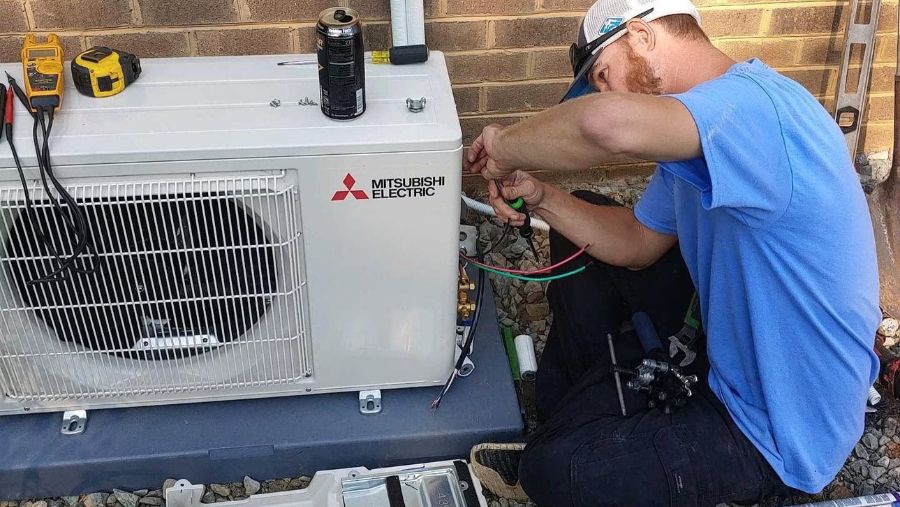
Here in the Richmond area, our HVAC systems work through hot, humid summers and winters that can bring some pretty cold stretches. That seasonal workload makes routine maintenance especially important.
A few things to keep on your radar:
-
Replace your air filter according to the manufacturer's recommendations. Many homeowners should check it monthly, although replacement frequency depends on the filter, pets, and household conditions.
-
Keep supply and return vents clear of furniture, rugs, and other obstructions.
-
Keep the outdoor condenser unit free of leaves, grass clippings, and debris.
-
Schedule professional maintenance before the heating and cooling seasons.
-
Pay attention to unusual noises, inconsistent temperatures, or changes in how the system operates.
If you have a gas furnace, carbon monoxide safety deserves special attention. Make sure you have working carbon monoxide alarms on every level of your home and outside sleeping areas, following the manufacturer's instructions.
Having a reliable HVAC company you can call makes keeping up with maintenance that much easier. That's one reason I've partnered with J.M. Pollard & Sons Heating & Cooling, a local company known for quality work and customer satisfaction. They handle both HVAC and water heater service, and through my partnership, I'm able to offer exclusive savings to my clients and network.
If you'd like to take advantage of the preferred pricing, call me at 804-291-6676 or contact J.M. Pollard & Sons directly at 804-798-7095 and mention BURKE REALTY GROUP.
Regular maintenance won't prevent every breakdown, but it can help identify developing problems before you're left without heat on a cold January morning or air conditioning during a Richmond heat wave.
5. Don't Forget About Your Water Heater
Most homeowners don't give their water heater much thought until they run out of hot water or discover a leak. Like other major home systems, a water heater benefits from routine maintenance and a little attention before problems arise.
Traditional tank-style water heaters can accumulate sediment over time. Depending on your water quality and the manufacturer's recommendations, periodic flushing may help reduce that buildup and keep the unit operating properly.
It's also worth knowing how old your water heater is. Check the manufacturer's label and keep a record of its installation date if you have it.
Watch for:
-
Rumbling or popping noises
-
Water that doesn't stay hot as long as it used to
-
Rust or corrosion around connections
-
Moisture or water around the base of the unit
-
Inconsistent hot water
If your water heater is approaching the end of its expected service life, consider having it evaluated before it becomes an emergency.
And if you have a tankless water heater, don't assume it is maintenance-free. These systems have their own service requirements, including periodic descaling depending on water conditions and the manufacturer's recommendations.
Just Purchased an Older Home? Start With These Three Things
If you've recently bought an older home, there's a lot to learn during those first few weeks. Before you get caught up in decorating, painting, and making the place your own, I'd recommend getting familiar with a few important details.
First, locate your shutoffs and electrical panel. Know where the main water shutoff is, where your electrical panel is located, and how the breakers are labeled.
Second, document the age of your major systems. Make a simple list of your roof, HVAC equipment, water heater, plumbing, and electrical panel. If you don't know when something was last replaced or serviced, that's a good starting point for your maintenance plan.
Third, establish a baseline with qualified professionals. A general home inspection is an important part of the buying process, but it isn't a substitute for a more detailed evaluation of every major system. Depending on the home's age and condition, you may want a plumber, electrician, or HVAC technician to take a closer look. Over the years, I've built relationships with trusted professionals throughout the Richmond area, and I'm always happy to help connect you with the right person when you need a recommendation.
Knowing what you're working with makes it easier to prioritize repairs, plan for future expenses, and avoid being caught off guard.
A Little Maintenance Today Can Save a Lot of Headaches Tomorrow
One of the biggest mistakes homeowners make is treating maintenance as something that only needs attention when something breaks.
Unfortunately, by that point, a relatively small issue may have turned into a much bigger repair.
That doesn't mean you need to replace everything in an older home or spend thousands of dollars on preventative upgrades. It means understanding the age and condition of your home's major systems, keeping up with routine maintenance, and addressing concerns before they become emergencies.
If you're considering purchasing an older home, remember that age alone doesn't tell you everything about its condition. A well-maintained 80-year-old home may be in better shape than a much newer property that hasn't received the attention it needs.
I've written about a few other areas worth considering, including 10 Common Issues Home Inspectors Find in Nearly Every House, What Home Appraisers Really Look At (And How to Prepare Before Selling), and Winterizing Your Home in a Virginia Winter.
And if you're thinking about selling, don't overlook the importance of routine maintenance. Buyers notice more than fresh paint and updated finishes. The condition of the roof, HVAC, plumbing, electrical system, and other major components can all influence how they view a property.
You can also read my guide to Which Home Improvements Actually Add Value? A Richmond Homeowner's Guide.
Every move starts with a conversation
 Let's talk! I’ve proudly served the Greater Richmond area as a full-time Realtor for 20 years, and I’ve called Virginia home for over 25.
My goal is simple: to help you reach yours.
Jason Burke
+1(804) 291-6676
jason@brgreal.com
Categories
Recent Posts